
Physical Security · Surveillance
Recording that never blinks
Video surveillance punishes storage that wasn't designed for it — hundreds of continuous write streams, 24/7 duty cycles, and zero tolerance for lost footage. The Vess line was purpose-built for exactly this, from compact 4-bay NVRs to petabyte-scale analytics engines.
1000+
camera deployments served by the Vess A-series line
24/7
continuous-write duty cycle by design
GPU-ready
A8000 appliances for AI analytics workloads
VMS
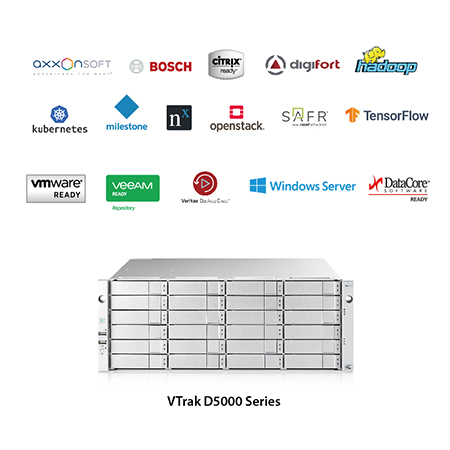
validated with the major video management platforms
Surveillance
Appliances sized to the site
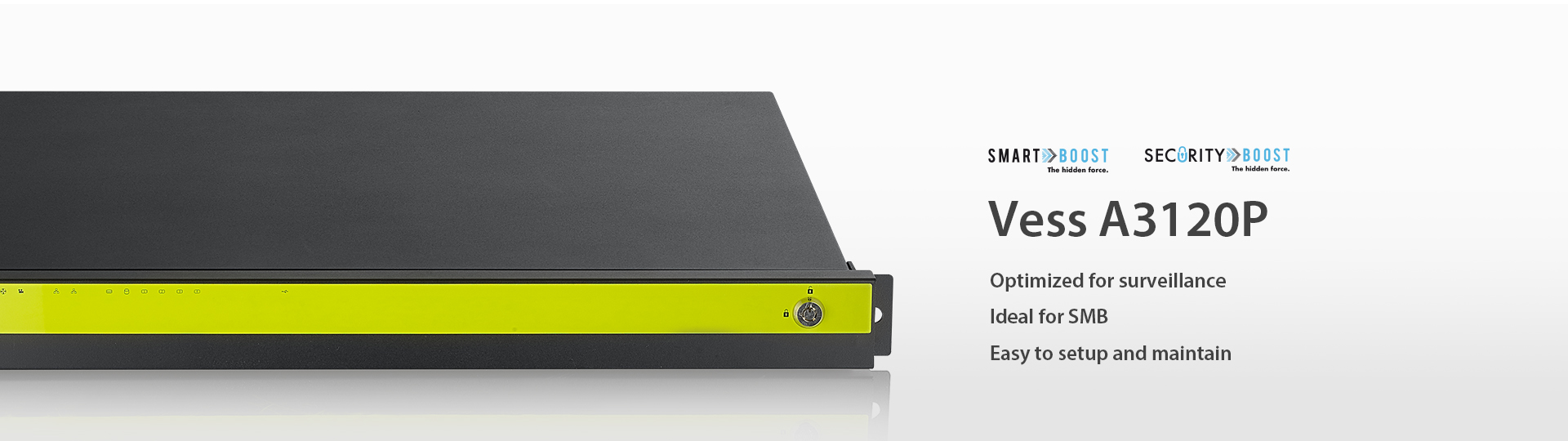
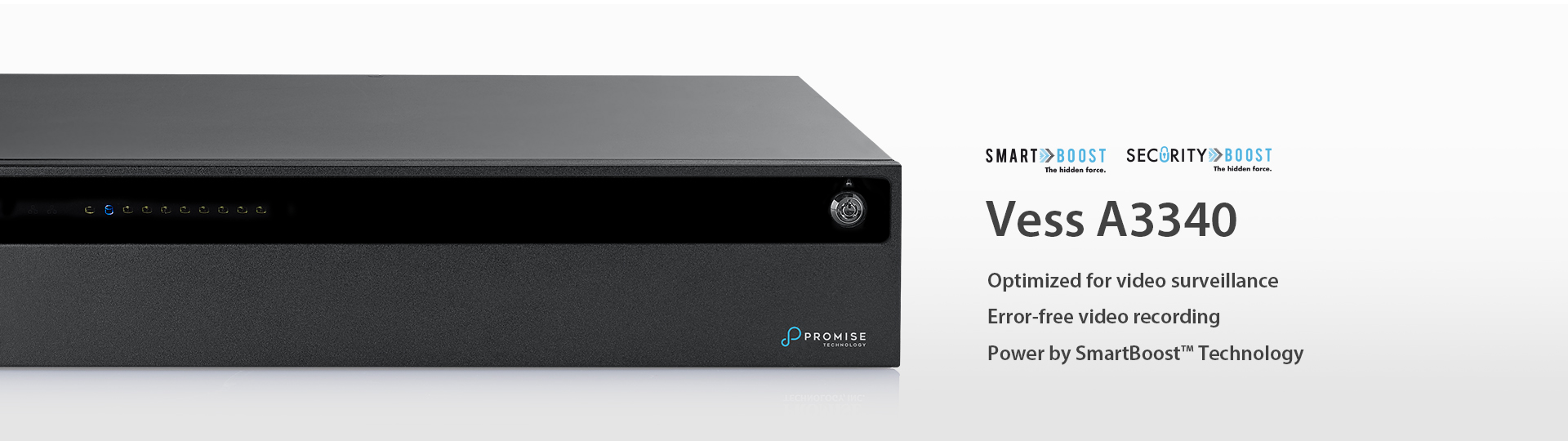
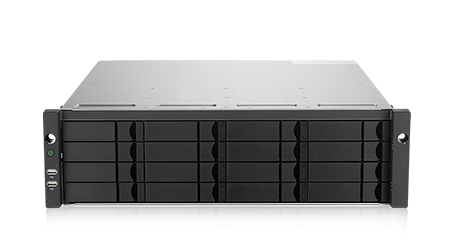
One product family covers the range: Vess A3120 for a storefront's worth of cameras, A3340 for mainstream commercial sites, and A6000/A7000 appliances where camera counts climb into the hundreds. Each runs the VMS directly — recording server and storage in a single chassis.
Talk through this use case →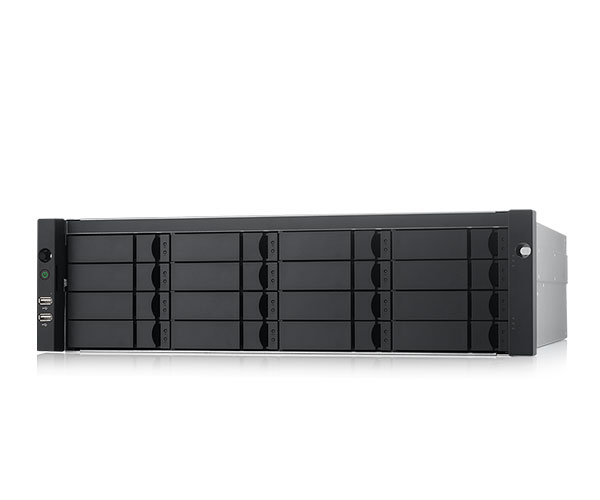
Surveillance
AI where the cameras are
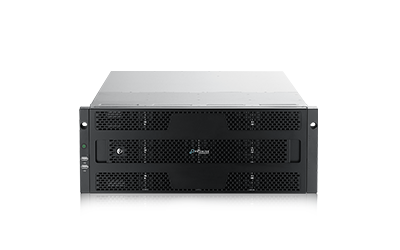
The Vess A8000 family adds the compute that modern analytics demand. GPU-capable configurations run detection and classification on-box, so bandwidth-heavy raw streams don't have to leave the site to become searchable events.
Talk through this use case →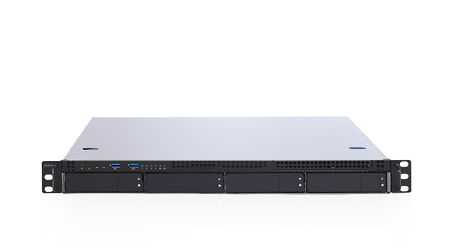
Surveillance
Scale storage independently
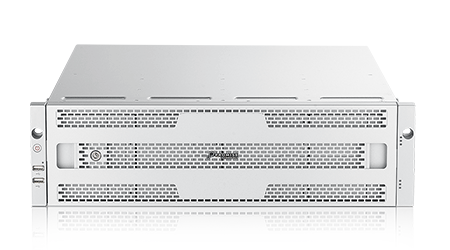
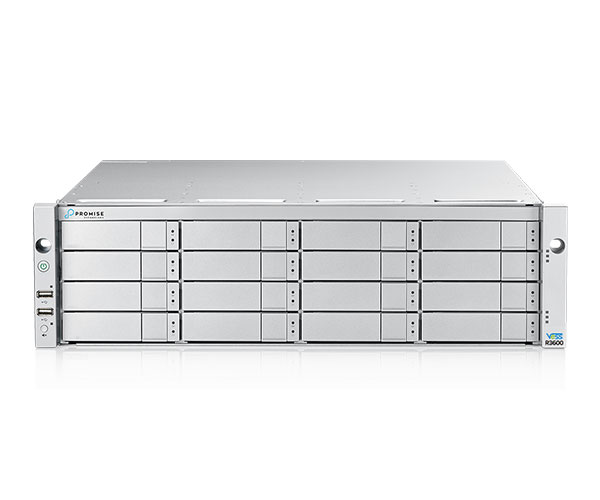
When retention requirements grow faster than camera counts, Vess R3000 RAID with J3000 expansion shelves decouples storage from recording — add capacity behind the appliances without re-architecting the deployment.
Talk through this use case →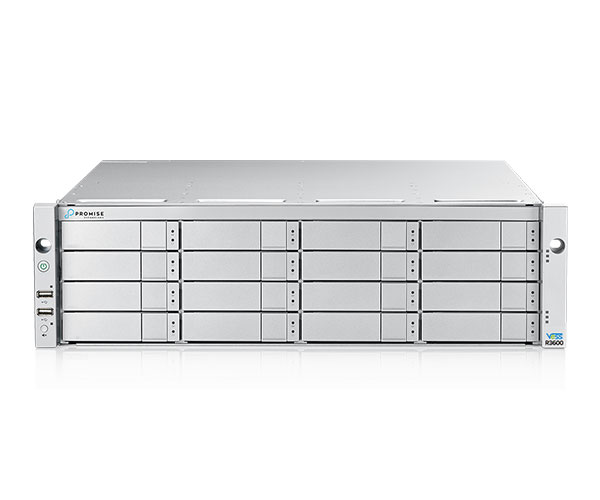
FAQ
Surveillance questions, answered
How do I size an NVR for my camera plan?+
Camera count, resolution, frame rate, codec, and retention days drive the math. Send us those five numbers in a quote request and we'll return a specific Vess model and drive configuration with headroom for growth.
Do Vess appliances work with our VMS?+
The Vess A-series is validated with the major video management platforms — Milestone, Genetec, Network Optix, and others. Tell us which VMS and version you run and we'll confirm the right configuration.
What happens to footage if a drive fails?+
Vess appliances use hardware RAID, so a failed drive degrades the array without stopping recording. Swap the drive and the array rebuilds in the background. For critical sites we recommend keeping a qualified spare module on the shelf — we can add one to any quote.